
1. Executive Overview: The Shift Toward Ductless Containment
In modern laboratory design and chemical risk management, the selection of localized exhaust ventilation (LEV) systems plays a vital role in personnel safety, energy efficiency, and operational flexibility. Historically, standard ducted fume hoods were the default choice for containment. However, as global enterprise facilities focus on carbon reduction goals, reduced capital expenditure (CapEx), and modular agility, the Ductless Fume Hood (also known as a recirculating or filtered fume hood) has emerged as an essential alternative across pharmaceutical, industrial testing, electronics, and higher education sectors.
A Ductless Fume Hood operates by drawing contaminated air through the sash opening across the work surface, directing it through specialized multi-stage filtration media (activated carbon and/or HEPA/ULPA filters), and recirculating ultra-clean air back into the laboratory room. By eliminating the necessity for extensive ductwork, rooftop exhaust blowers, and complex makeup air units (MAUs), ductless technology provides significant structural flexibility and massive energy savings on conditioned facility air.
Information Gain: When is Ductless the Superior Choice?
Ductless fume hoods excel in applications handling dedicated, well-characterized chemical sets (solvents, mild acids, formaldehydes, powders) where total exhaust airflow volume is under 1,500 m³/h per unit. When deployed correctly under AFNOR NFX 15-211 or BS 7989 guidelines, a ductless hood can reduce HVAC operating costs by up to 70% compared to traditional variable air volume (VAV) ducted systems.
2. Engineering Architecture & Carbon Filtration Dynamics
The core containment capability of any high-performance ductless fume hood relies on fluid dynamics, face velocity stability, and molecular adsorption physics. At Machlab, our engineering team designs recirculating enclosures around three critical baseline criteria:
A. Airflow Dynamics & Sash Containment
Air entering the sash must maintain a uniform face velocity between 0.3 m/s to 0.5 m/s (60 to 100 fpm). If velocity drops below 0.3 m/s, thermal currents and ambient room cross-drafts can pull toxic vapors outward into the operator's breathing zone. Conversely, face velocities exceeding 0.6 m/s create internal turbulence, disrupting the protective air barrier. Machlab ductless hoods integrate aerodynamic side-entry airfoils and rear baffle plenums to eliminate dead zones and eddy currents.
B. Multi-Stage Filter Architecture
Filtration efficiency depends on matching specific chemical vapors with appropriate physical and chemical filter media:
- Electrostatic Pre-Filter: Captures coarse airborne dust and particulate matter (down to 1–5 microns), shielding the underlying primary carbon bed from premature surface blinding.
- Bonded Activated Carbon Matrix (Primary Stage): High-density coconut shell or coal-based activated carbon processed through thermal steam activation. The resulting internal microporous pore structure yields a specific surface area exceeding 1,000 to 1,200 m²/g.
- Chemisorptive Impregnated Filters: Standard activated carbon relies on physical physisorption (Van der Waals forces). For volatile polar compounds or reactive gases, Machlab impregnates carbon matrices with chemical reagents:
- Acid Vapors (HCl, HNO₃, SO₂): Impregnated with basic metal oxides or hydroxides to induce neutralization.
- Ammonia & Amines: Impregnated with inorganic acid salts.
- Formaldehyde & Glutaraldehyde: Treated with chemical fixatives for covalent binding.
- Secondary Safety Filter (Backup Guard): Positioned above the primary filter stage, providing secondary containment redundancy in accordance with Class 1 AFNOR NFX 15-211 standards.
- HEPA / ULPA Final Filter (Optional): H14 HEPA filters (99.995% efficiency at 0.3 µm) are integrated whenever particulate operations (powder weighing, nano-materials, biology prep) co-exist with chemical handling.
Comprehensive Containment & Performance Standards
| Standard / Norm | Region | Primary Focus | Machlab Compliance Metric |
|---|---|---|---|
| AFNOR NFX 15-211 | Europe / International | Filter containment, filtration efficiency & breakthrough detection | Certified Class 1 & Class 2 filtration safety limits (<1% TWA breakthrough) |
| ASHRAE 110-2016 | North America / Global | Containment performance (Tracer gas SF6 testing & face velocity) | Passes containment test under 0.05 ppm tracer leakage rating |
| EN 14175 | European Union | Fume hood construction, sash impact & airflow containment | Full structural and baffle geometry compliance |
| BS 7989 | United Kingdom | Recirculating filtration fume enclosure safety parameters | Carbon retention capacity & airflow alarm calibration verified |
3. Machlab Ductless Fume Hood Product Portfolio
To assist procurement directors, facility managers, and lab planners in selecting the appropriate model, Machlab provides several specialized ductless configurations manufactured at our ISO 9001:2015 facility in Malaysia.
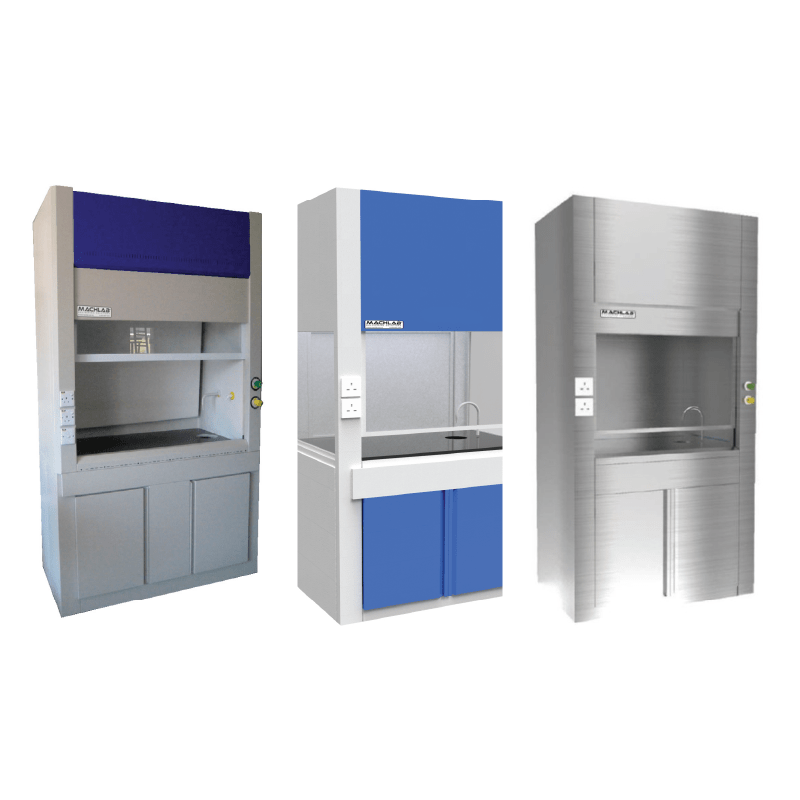
Machlab D-1000 General Purpose Hood
Designed for organic solvent evaporation, titration, and routine analytical work. Features microcomputer control with automated face velocity compensation.
Filter Type: Multi-layer Activated Carbon
Sash Material: Toughened Safety Glass
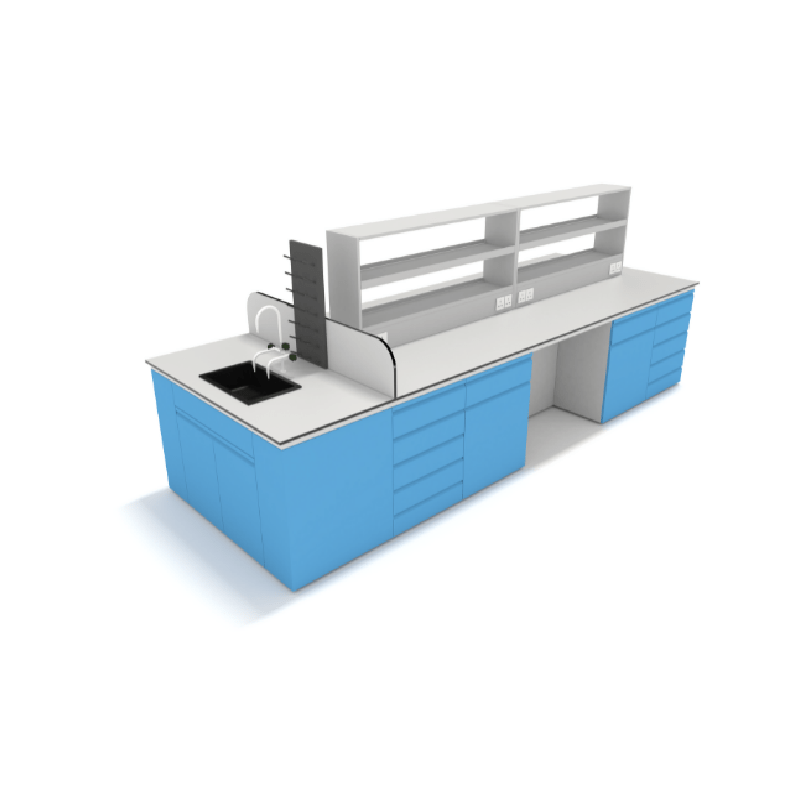
Polypropylene Acid-Resistant Ductless Hood
Constructed from 8mm high-density white polypropylene (PP) for trace metal analysis, aggressive acid handling, and wet chemistry applications.
Filter Type: Acid-Impregnated Chemisorption
Worktop: Solid Epoxy Resin / Ceramic
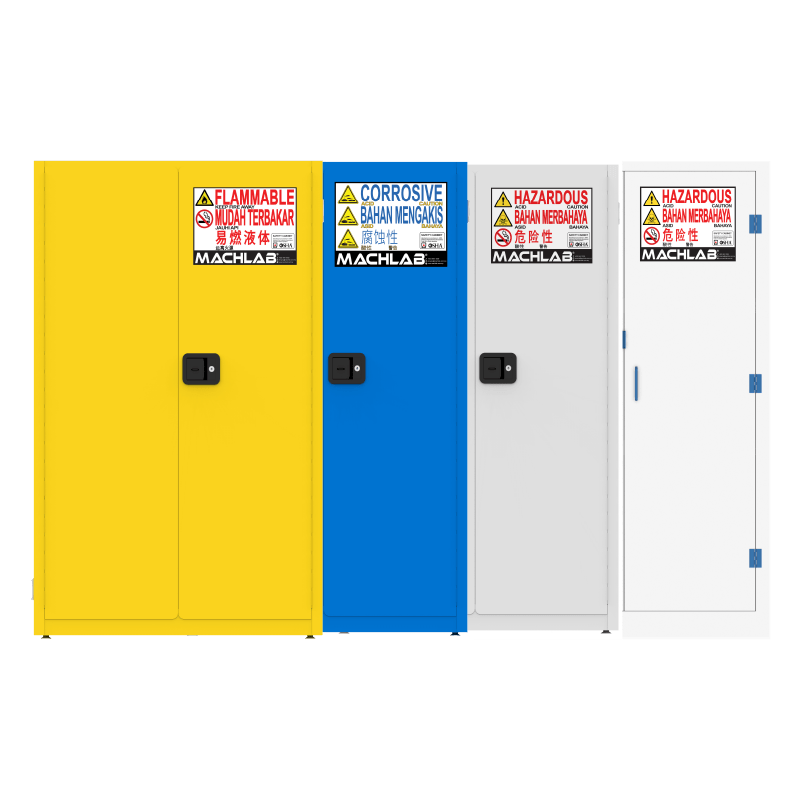
Mobile Compact Ductless Workstation
Portable enclosure mounted on heavy-duty lockable casters. Ideal for educational labs, pharmaceutical prep stations, and shifting workflows.
Controls: Digital Anemometer & Filter Timer
Power: 220V/50Hz Plug-and-Play
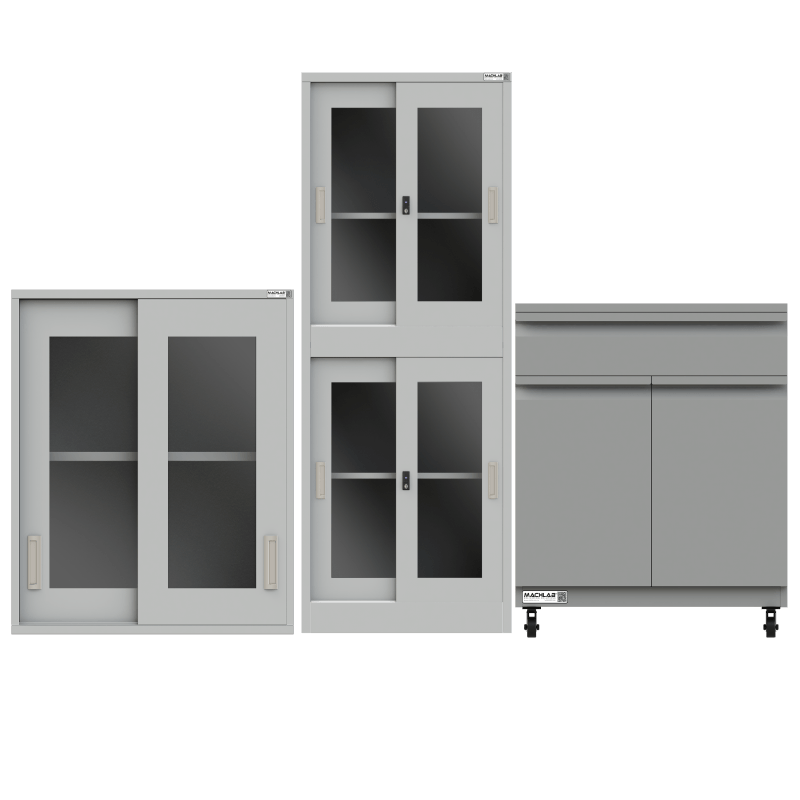
Cleanroom Dual-Stage HEPA/Carbon Hood
Integrates H14 HEPA filtration above the work zone with carbon exhaust polishing. Meets ISO Class 5 cleanroom conditions while managing solvent fumes.
Filter Stage: Dual H14 HEPA + Carbon Matrix
Blower: EC High-Efficiency Centrifugal
4. Future Technology & Development Trends (2025–2030)
As corporate research institutes and OEM buyers evaluate long-term infrastructure investments, ductless fume hood technology is undergoing rapid evolution driven by three core industrial trends:
A. IoT Sensor Telemetry & Real-Time Saturation Monitoring
Traditional filter monitoring relied heavily on manual operational hour timers or qualitative chemical stain tubes. Next-generation Machlab ductless systems incorporate multi-point Photoionization Detectors (PID) and electrochemical gas sensors placed directly between the primary and secondary carbon filter beds. This configuration continuously samples concentration levels down to parts-per-billion (ppb). Data is streamed via IoT protocols to facility management dashboards, sending automated alerts before chemical breakthrough reaches 1% of the Threshold Limit Value (TLV).
B. Engineered Carbon-Nanofiber Hybrid Media
Material science advancements are yielding synthetic porous carbon matrices reinforced with electrospun nanofibers. These hybrid filters offer 40% higher gas holding capacity per kilogram of filter mass while decreasing air resistance (pressure drop). Consequently, blower fan motors consume up to 35% less electrical power, reducing acoustic noise levels inside the laboratory down to < 52 dBA.
C. Dynamic Airflow Matching & Smart Sash Automation
Future-ready ductless enclosures are turning into intelligent workstations. Integrating optical sash sensors and motorized auto-sash mechanisms, the system automatically lowers the sash when the operator steps away, reducing blower speed and extending filter life exponentially.
5. Global Procurement Trends & Total Cost of Ownership (TCO)
For international procurement directors across North America, Europe, Asia-Pacific, and the Middle East, the financial justification for ductless fume hoods extends beyond purchase price. A complete Total Cost of Ownership (TCO) evaluation contrasts traditional ducted systems against ductless alternatives over a 10-year lifespan.
Financial Modeling: Ducted vs. Ductless Fume Hood
- Initial Capital Expenditure (CapEx): Traditional ducted hoods require dedicated duct runs, roof penetrations, exterior exhaust fans, fire dampers, and complex mechanical HVAC balancing. Ductless hoods require zero external ductwork or rooftop modifications, delivering an immediate 40% to 65% reduction in initial lab commissioning expenses.
- Operational HVAC Energy Expenditure (OpEx): A 1500mm conventional ducted fume hood exhausts conditioned room air (chilled or heated) continuously at approximately 800 to 1200 m³/h. Exhausting this volume outdoors imposes immense loads on building chillers and air handling units (AHUs). Ductless hoods retain 100% of conditioned air indoors, delivering annual energy savings ranging between $2,500 and $5,000 USD per hood depending on regional climate conditions.
- Filter Consumable Budgeting: The primary recurring cost of a ductless hood is routine replacement carbon filters (typically every 12 to 24 months based on chemical exposure). Machlab works with clients to model chemical consumption upfront, guaranteeing predictable annual consumable budgets.
6. Frequently Asked Questions (FAQ) for Global B2B Buyers
Q1: How do I verify whether my chemical process is safe for a ductless fume hood?
Every ductless fume hood procurement must begin with a formal Chemical Application Assessment. Machlab's application specialist team analyzes your exact chemical list, operational temperatures, evaporation rates, and frequency of use. If your process involves compounds with poor carbon adsorption capacity (such as hydrogen, methane, or highly volatile low-boiling gases like ethyl chloride), our engineers will direct you to dedicated ducted containment systems.
Q2: What international compliance standards should I require in procurement RFQs?
You should insist on compliance with AFNOR NFX 15-211 (for filtration safety and breakthrough detection), ASHRAE 110-2016 (for physical containment airflow dynamics), and CE / UL electrical safety certifications. Ensure the manufacturer provides independent third-party test reports validating filter retention capacity.
Q3: How often do carbon filters need to be replaced in a ductless hood?
In standard laboratory environments operating 8 hours per day with moderate solvent handling, high-quality carbon filters typically last between 12 and 24 months. Machlab's integrated PID saturation sensors or digital hour meters ensure filter changes are triggered by actual chemical saturation levels rather than arbitrary timelines.
Q4: Can a ductless fume hood be used for heavy acid digestion procedures?
For concentrated hot acids (such as boiling Nitric Acid, Hydrofluoric Acid, or Perchloric Acid), specialized materials are required. While specialized polypropylene ductless hoods with chemisorption acid filters can handle moderate acid vapors, heavy acid digestion with heating plates is best served by Machlab's dedicated Polypropylene Ducted Hoods or Acid Digestion Scrubber Systems due to high thermal acid condensation risks.
Q5: How does Machlab ensure global shipping protection and technical support for OEM export orders?
Machlab utilizes export-grade reinforced wooden crating, anti-vibration shock absorbers, and moisture-sealed vacuum wrap for overseas shipments. All ductless hoods arrive fully pre-wired with quick-connect plug-and-play modules. Comprehensive CAD installation drawings, video commissioning guides, and direct engineering support ensure effortless site setup across Southeast Asia, Europe, and America.
7. Enterprise Advantage: Why Global Buyers Trust Machlab
Choosing Machlab as your laboratory manufacturing partner provides distinct operational, quality, and financial advantages tailored to global procurement demands:
- 25+ Years of Precision Manufacturing Expertise: Machlab has established itself as a leading Malaysian manufacturer of high-grade laboratory system furniture, ESD industrial workbenches, and advanced containment solutions, executing over 500 major facility projects worldwide.
- ISO 9001 & ISO 14001 Quality Assurance: Every ductless enclosure undergoes rigorous factory acceptance testing (FAT), including face velocity anemometer mapping, noise level audits, and smoke pattern containment verification prior to dispatch.
- Direct Factory Pricing from Malaysia: By manufacturing in Malaysia's robust industrial corridor, Machlab offers premium European-grade quality control and materials at highly competitive direct-factory price points, eliminating unnecessary intermediary markups.
- End-to-End Turnkey Support: From initial CAD/BIM laboratory layout design through to OEM/ODM custom dimensioning, filter chemistry specification, and technical commissioning support, Machlab provides a single accountable point of contact.
Request Engineering Specifications & Commercial Pricing
Planning a new laboratory project or upgrading existing containment systems? Contact Machlab's technical sales team today for custom technical drawings, chemical compatibility verification, and direct factory quotation packages.
Get a Quote