Understanding Acid Digestion Fume Hoods: Containment Dynamics for Severe Chemical Exhaust
In modern analytical chemistry, mining assay facilities, geochemical exploration, semiconductor purity validation, and environmental testing laboratories, wet chemical digestion is an essential precursor to Spectroscopic analysis (ICP-OES, ICP-MS, and AAS). Digestion processes rely on heating mineral, organic, or inorganic samples in concentrated, boiling oxidizing acids—including Hydrofluoric Acid (HF), Nitric Acid (HNO3), Hydrochloric Acid (HCl), Perchloric Acid (HClO4), and Sulfuric Acid (H2SO4). Standard general-purpose metal or epoxy-painted fume hoods fail prematurely in these extreme thermal and chemical environments due to severe acid vapor condensation, structural corrosion, metal leaching, and explosive perchlorate salt accumulation.
An Acid Digestion Fume Hood is a specialized containment workstation engineered entirely from high-density, non-metallic, highly chemically inert materials—primarily thermal-welded stress-relieved Polypropylene (PP), PTFE, or PVDF—equipped with integrated washdown manifolds, internal mist scrubbers, and smooth air-baffle hydraulics. By isolating trace-metal environments from metallic components and providing continuous washdown protocols, these systems prevent equipment degradation, protect laboratory personnel from toxic fumes, and maintain the low ambient background counts essential for sub-ppb trace element determination.
Information Gain: Why Conventional Standard Steel Fume Hoods Fail in Acid Digestion
Corrosion Mechanism: Concentrated acid hot-plate digestion generates dense, hot acid mists that condense on colder metal surfaces. Epoxy coatings inevitably develop micro-pinholes over thermal cycles, leading to rapid sub-film rust, structural sash failure, and duct collapse.
Trace Element Contamination: Exposed metal screws, stainless steel baffles, and metallic hinges leach Fe, Ni, Cr, and Zn particles into the hood chamber, invalidating ultra-trace ICP-MS detection limits.
Safety Hazard (Perchloric Acid): Boiling perchloric acid vapors condense within exhaust ductwork. As the acid dries, it forms organic and inorganic perchlorate salts that are friction-sensitive and violently explosive. Acid Digestion Hoods designed for perchloric protocols require internal washdown manifolds to dissolve these salts before crystallization occurs.
Core Design Architecture of Heavy-Duty Polypropylene Acid Digestion Workstations
Engineering a high-performance Acid Digestion Fume Hood requires addressing three critical vectors: chemical compatibility, airflow fluid dynamics, and ergonomic safety compliance according to international standards such as SEFA 1, ASHRAE 110-2016, and EN 14175.
| Design Component |
Standard Fume Hood |
Machlab Acid Digestion Fume Hood |
Operational Impact & Benefit |
| Chamber Lining |
Fiberglass Reinforced Polyester / Phenolic Resin |
100% Seamless Welded High-Density Polypropylene (PP) |
Zero corrosion; complete resistance to HF, HNO3, and aqua regia condensation. |
| Internal Hardware |
Stainless Steel Screws & Metal Hinges |
Non-Metallic Thermoplastic Hinges & Polymer Fasteners |
Eliminates trace metal leaching into ultra-clean analytical samples (ICP-MS). |
| Sash Material |
Standard Tempered Glass |
Transparent Polycarbonate or Clear PVC Sash |
Polycarbonate resists hydrofluoric acid etching, retaining long-term optical clarity. |
| Baffle Hydraulic System |
Single-position fixed rear steel baffle |
Multi-tier adjustable Polypropylene Aerofoil Baffles |
Optimizes removal of heavy, hot acid vapors at worktop level without dead spots. |
| Washdown Capabilities |
None |
Internal Spray Ring & Ductwork Washdown Manifold |
Rinses internal walls and exhaust plenum to prevent perchlorate crystallization. |
When selecting an Acid Digestion Fume Hood for global industrial projects, procurement directors must evaluate work surface materials. High-density Polypropylene worktops with raised marine edges are ideal for general acid digestion. However, for extreme heat digestion involving concentrated sulfuric acid or extended hot-plate heating cycles exceeding 180°C, solid epoxy resin or PTFE-lined ceramic worktops are integrated to prevent thermal deformation while maintaining chemical resistance.
Machlab Acid Digestion Fume Hood Product Recommendations
As a leading Malaysian manufacturer with over 25 years of engineering expertise, Machlab supplies global laboratories with high-efficiency, robustly tested Acid Digestion Fume Hood configurations engineered to meet demanding chemical processing protocols.
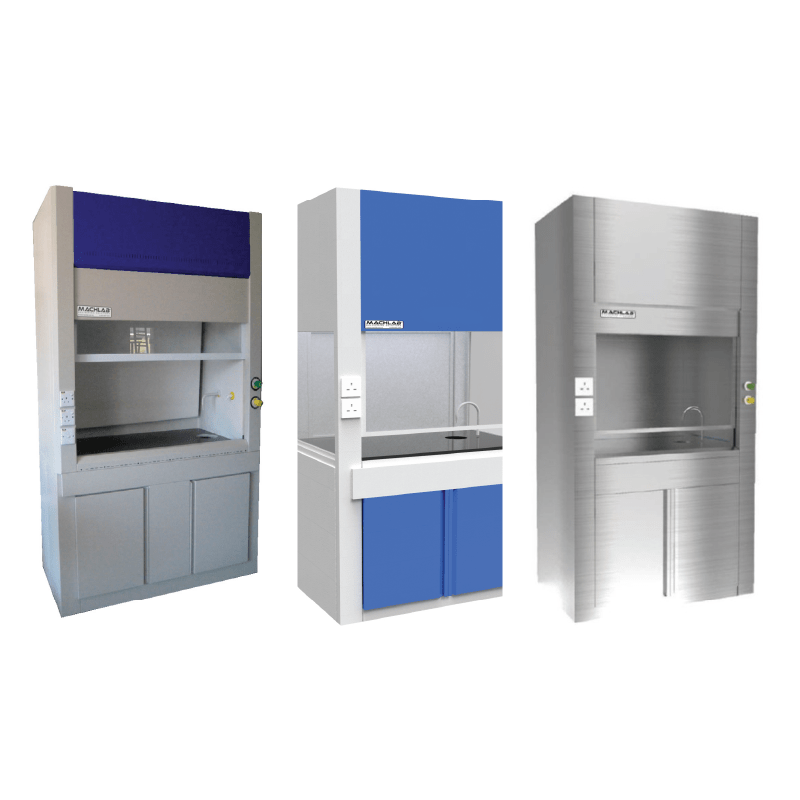
Machlab AcidMax™ Series Full-Polypropylene Fume Hood
Designed specifically for geochemistry, mining assays, and trace metal digestion. Built entirely from white, stress-relieved, high-density polypropylene with seamless thermal welding to eliminate structural joints where acid vapors can penetrate.
| Material: | 100% Polypropylene (PP) |
| Sash: | Counterbalanced Polycarbonate |
| Baffle: | PP Aerofoil Multi-Zone Baffle |
| Application: | HF, Aqua Regia, Concentrated HNO3 |
| Compliance: | ASHRAE 110 / SEFA 1 Standard |
Machlab PerchlorSafe™ Washdown Acid Digestion Hood
Engineered for hot perchloric acid digestion. Features an integrated internal spray washdown system, seamless integral PP sink cup, dedicated washdown duct ring, and smooth radius corners to guarantee zero salt buildup.
| Material: | Seamless Thermoplastic PP / PVDF |
| Washdown: | Automated Water Spray Nozzles |
| Worktop: | Integral PP Sink with Raised Lip |
| Exhaust: | Dedicated Non-Reactive PVC Ducting |
| Compliance: | EN 14175 / SEFA 1 Perchloric Standard |
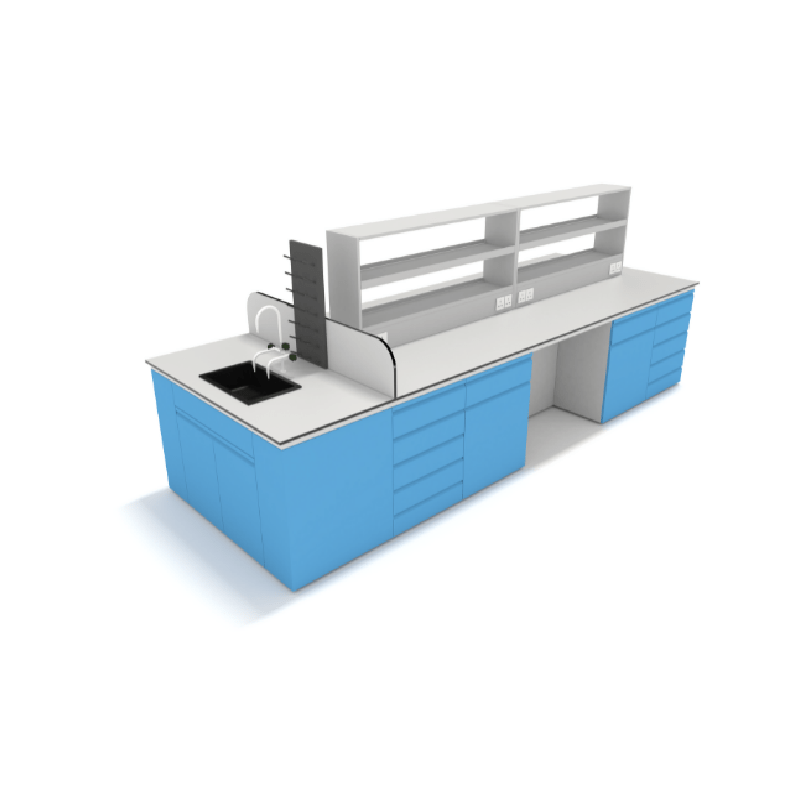
Machlab UltraTrace™ ISO Class 4 Cleanroom Acid Hood
Designed for semiconductor and ultra-trace analysis facilities requiring airborne particulate control combined with severe chemical extraction. Includes vertical laminar HEPA filtration paired with PP exhaust extraction.
| Air Filtration: | H14 HEPA Filter (99.995% Efficiency) |
| Construction: | Metal-Free Virgin Polypropylene |
| Class: | ISO Class 4 / 5 Cleanroom Compatible |
| Controls: | Microprocessor VAV Touch Interface |
| Target Sectors: | Semiconductor, Ultra-Trace ICP-MS |

Machlab EcoScrub™ Integrated Wet Scrubber Acid Workstation
A turnkey environmental containment system featuring an add-on compact packed-bed wet scrubber mounted directly behind or above the hood. Neutralizes acidic exhaust gases before release into ductwork networks.
| Scrubber: | PP Packed Column with Recirculation Pump |
| Efficiency: | >95% Acid Gas Neutralization |
| Duct Connection: | Anti-Vibration Flexible PP Flange |
| Safety Systems: | Airflow Sensor & pH Dosing Monitor |
| Application: | High-Volume Mining & Assay Labs |
Future Procurement Trends for Global Acid Digestion Fume Hood Buyers (2025–2030)
As procurement managers, facility planners, and lab directors manage expanding research budgets and stringent environmental mandates, the landscape for acquiring high-corrosion containment equipment is evolving rapidly. Key trends influencing global tenders include:
1. Shift Toward Variable Air Volume (VAV) & Energy Optimization
Fume hoods are historically among the most energy-intensive fixtures in a facility, exhausting conditioned lab air 24/7. When handling boiling acids, continuous high-volume air extraction has traditionally been necessary. However, modern procurement specifications increasingly mandate Variable Air Volume (VAV) integration combined with fast-response digital sash sensors. By adjusting fan speed dynamically relative to sash position, VAV systems reduce exhausted air volume by up to 60% during non-operational periods without compromising capture velocity (0.5 m/s or 100 FPM), yielding significant HVAC operational savings over a 10-year lifespan.
2. Whole-Life Cost of Ownership (TCO) Over Initial Capital Expenditure
Global buyers are moving away from low-cost, painted steel hoods lined with thin chemical sheets. While initial purchase costs for steel hoods appear lower, the premature destruction of casing, sash cables, and blowers by acid mists results in high replacement and maintenance expenses within 3 to 5 years. Total Cost of Ownership (TCO) modeling favors solid welded Polypropylene hoods, which routinely deliver 15 to 20+ years of maintenance-free service in harsh acid environments.
3. Integration of Localized Scrubbing and Emissions Neutralization
Environmental regulations worldwide (such as US EPA, EU IED, and regional environmental protection standards) strictly prohibit discharging untreated acid vapors into the atmosphere. Procurement trends show a clear rise in specifying on-board or inline wet scrubbers directly connected to Acid Digestion Hoods. Neutralizing fumes at the source prevents ductwork destruction across multi-story buildings and ensures environmental compliance.
4. Supply Chain Resilience and High-Quality Asian Manufacturing
Global engineering procurement companies (EPCs) are increasingly sourcing laboratory infrastructure from specialized Asian manufacturing hubs like Malaysia. Offering SEFA-compliant, ISO 9001-certified production with direct ocean access to international markets, manufacturers like Machlab offer cost efficiency alongside strict adherence to Western safety standards.
Future Technical Development & Innovation Trends in Acid Digestion Hoods
Looking ahead, technological advancements in material science and smart laboratory automation are reshaping how Acid Digestion Fume Hoods are engineered:
- Smart IoT Sensors & Predictive Maintenance: Advanced sensors embedded within PP cabinet walls monitor structural surface temperatures, real-time chemical vapor density, pressure differentials, and washdown spray flow rates. Predictive analytics alert facility technicians to duct condensation or pump failure before safety thresholds are breached.
- Advanced Fluoropolymer Hybrid Composites: While Polypropylene remains the industry standard, hybrid thermo-welding incorporating PFA, PVDF, and PTFE in ultra-high thermal zones allows hot-plate temperatures to exceed 250°C without risk of thermal distortion.
- Automated Water-Saver Washdown Protocols: Next-generation perchloric acid hoods utilize pulsed, high-pressure micro-jet washdown cycles. This ensures total removal of explosive salts while reducing wastewater discharge by over 40% compared to continuous spray systems.
- Zero-Metal Aerodynamic Sash Mechanisms: Modern engineering replaces traditional stainless steel sash cables and pulleys with high-tensile Kevlar belts and enclosed polymer counterweights, completely removing metallic components from potential air flow paths.
Need Customized Acid Digestion Engineering Specifications?
Machlab offers tailored CAD layouts, fluid-dynamic airflow modeling, and complete technical datasheets for global laboratory procurement teams and project contractors.
Frequently Asked Questions (FAQ) for Global Buyers & Lab Engineers
Below are detailed responses to the most frequent technical and procurement inquiries raised by engineering teams, laboratory managers, and international buyers when specifying Acid Digestion Fume Hoods.
Q1: Why is Polypropylene preferred over Stainless Steel 316 for Acid Digestion Fume Hoods?
While 316 Stainless Steel offers excellent mechanical strength and solvent resistance, it is vulnerable to severe pitting and stress corrosion cracking when exposed to hot inorganic acid vapors—especially Hydrochloric Acid (HCl), Hydrofluoric Acid (HF), and Aqua Regia. High-Density Polypropylene (PP) is an inert thermoplastic that undergoes zero chemical reaction with mineral acids regardless of concentration, making it structurally immune to acid rust and leaching.
Q2: What specialized sash material should be specified for Hydrofluoric Acid (HF) digestion?
Hydrofluoric Acid rapidly reacts with silicon dioxide, causing standard tempered glass sashes to become etched, opaque, and structurally weakened. For HF acid digestion, a high-optical-clarity Polycarbonate (PC) sash or specialized Fluorinated Ethylene Propylene (FEP) protective film layer must be specified to maintain visibility and impact safety.
Q3: How does a Perchloric Acid Washdown System work, and why is it mandatory?
When heated Perchloric Acid (HClO4) evaporates, fumes condense inside the hood plenum and exhaust ducting, forming anhydrous perchloric acid and perchlorate salts upon drying. These salts are shock, friction, and heat-sensitive explosives. A Washdown System utilizes internal spray nozzles behind the baffles and along the exhaust ducting to periodically rinse all surfaces with water, safely dissolving perchlorates and washing them down a dedicated drain before crystallization can occur.
Q4: What face velocity is recommended for safe containment during hot acid digestion?
In accordance with SEFA 1 and ASHRAE 110 guidelines, an average face velocity of 0.5 m/s (100 feet per minute - FPM) at operating sash height is recommended. For high-temperature, high-volume acid digestions, face velocities up to 0.6 m/s (120 FPM) may be utilized alongside deep-profile aerofoil entry sashes to prevent thermal updrafts from spilling acid fumes out of the sash opening.
Q5: Can ductless (recirculating) fume hoods be used for acid digestion procedures?
No, ductless fume hoods are strictly not recommended for heavy acid digestion. Carbon filters have limited capacity for highly concentrated acid mists, and breakthrough can occur rapidly without warning. Additionally, heat generated by digestion hotplates accelerates desorption. Acid digestion protocols require ducted fume hoods constructed from solid Polypropylene connected to dedicated PVC/PP exhaust ductwork and anti-corrosion polypropylene fans.
Q6: What certifications should buyers look for when procuring Acid Digestion Hoods globally?
Procurement teams should verify compliance with ASHRAE 110-2016 (Airflow Containment Performance Testing), EN 14175 (European standard for fume hoods), SEFA 1 (Scientific Equipment and Furniture Association specifications), and manufacturing facility certifications such as ISO 9001:2015 (Quality Management) and ISO 14001 (Environmental Management).
Enterprise Capabilities: Why Global Procurement Leaders Choose Machlab
Machlab is a premier Malaysian manufacturer of technical laboratory furniture, industrial ESD workbenches, fume hoods, safety storage cabinets, and cleanroom infrastructure. With over 25 years of specialized experience, Machlab serves pharmaceutical companies, university research centers, industrial testing laboratories, and EPC contracting firms across Southeast Asia, the Middle East, Europe, and global export markets.
In-House Precision Manufacturing
Our Malaysian manufacturing plant utilizes advanced CNC thermoplastic routing, automatic butt-welding machines, and digital quality testing to ensure every Polypropylene fume hood meets exact engineering tolerances and SEFA structural standards.
Turnkey Design & Build Expertise
We provide full-scope services—from initial BIM/CAD spatial planning and chemical compatibility selection to custom fabrication, global logisitics, ducting installation, and commissioning test validation.
Whether you require a single specialized Polypropylene Acid Digestion Fume Hood for trace ICP-MS testing or an entire turnkey facility fit-out with integrated exhaust scrubbing systems, Machlab delivers proven reliability, safety compliance, and competitive factory-direct value.
Ready to Consult with Our Fume Hood Engineers?
Connect directly with our technical team today to request custom CAD drawings, full technical datasheets, or a competitive quote tailored to your laboratory's chemical specifications.