
Industry Insights & Technical Resources

Expert articles and technical knowledge on laboratory furniture, ESD workstations, and cleanroom design

Laboratory Design & Safety Standards

Guiding engineering and procurement teams with compliance, durability, and ergonomic insights

Cleanroom & Storage Best Practices

In-depth technical guides for specialized research and manufacturing environments

Industrial Workbench Engineering

Innovations and practical tips for ESD protection, heavy-duty workbenches, and ergonomic setups

0%

In the realm of chemical storage, the importance of a reliable Corrosive Acid Storage Cabinet cannot be overstated. John Edwards, a safety expert with over 20 years of experience in hazardous material handling, emphasizes, "Proper storage is crucial to prevent accidents and ensure safety." His insights highlight the necessity of choosing the right cabinet for various corrosive substances.

Corrosive materials can cause severe injuries and damage if not stored correctly. The right cabinet features essential elements like non-reactive materials and secured doors. Many cabinets on the market lack sufficient ventilation or fail to meet safety standards. Thus, it’s vital to assess the specifications before making a purchase.

Inadequate storage solutions can lead to unfortunate mishaps. It is not just about housing the chemicals; it's about safeguarding personnel and the environment. A Corrosive Acid Storage Cabinet should be a long-term investment in safety. Reflecting on the varying requirements of different chemicals can make or break a facility’s safety protocol. Balancing functionality and compliance is a task that should never be taken lightly.
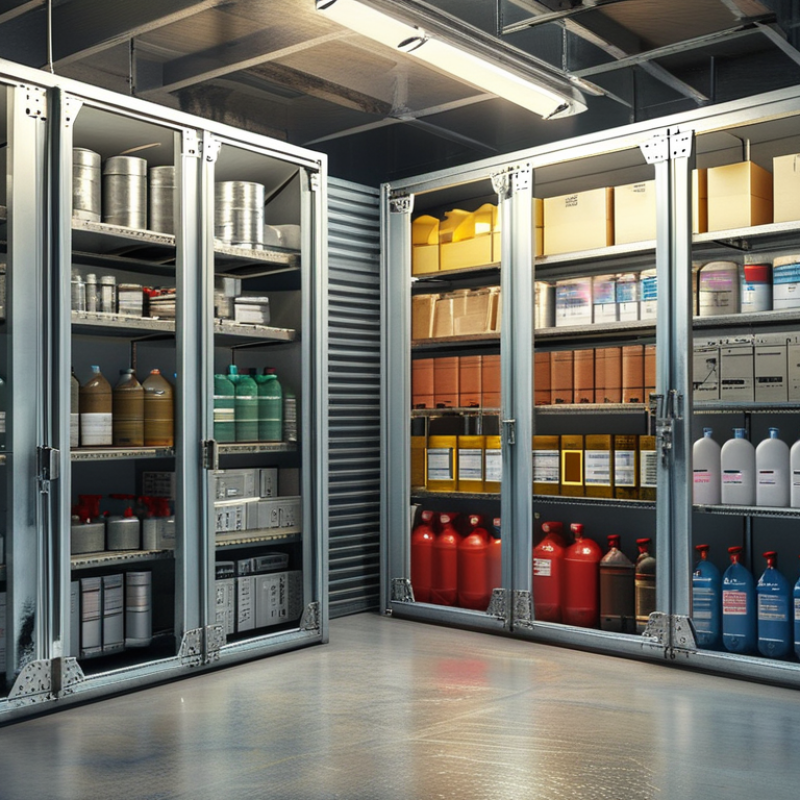
Best Corrosive Acid Storage Cabinet for Safe Chemical Storage?

Key Features of Corrosive Acid Storage Cabinets

When choosing a corrosive acid storage cabinet, there are several key features to consider. First, the cabinet must be constructed from materials resistant to corrosive substances, such as epoxy-coated steel or polyethylene. According to the National Fire Protection Association (NFPA), proper material selection significantly decreases the risk of chemical reactions. Cabinets should also be compliant with OSHA regulations. This compliance ensures a safer environment for chemical handling.

Another crucial feature is the presence of proper ventilation. Ideal cabinets are designed with ventilation systems that minimize the accumulation of harmful vapors. Reports indicate that poor ventilation can contribute to nearly 30% of workplace accidents involving hazardous materials. Additionally, adjustable shelves are important for accommodating various container sizes. A flexible shelving system helps optimize storage space while maintaining accessibility.

Security measures should not be overlooked. Cabinets must be lockable to protect against unauthorized access. Facilities must ensure regular inspections to identify potential vulnerabilities. Monitoring temperature and humidity levels inside storage cabinets is also critical, as these factors can exacerbate chemical hazards. A proactive approach in maintaining these cabinets can prevent accidents, which are too often a result of negligence.

Best Corrosive Acid Storage Cabinet for Safe Chemical Storage

Feature Description
Material Corrosive-resistant steel or polyethylene
Capacity Ranges from 30 to 200 gallons
Ventilation Integrated ventilation system or passive venting
Shelving Adjustable, corrosion-resistant shelves
Safety Features Lockable doors, secondary containment, spill trays
Certification Compliant with OSHA and NFPA standards
Color Typically yellow or orange for visibility

Benefits of Using Specialized Storage for Corrosive Chemicals

When dealing with corrosive chemicals, proper storage is vital. Specialized storage cabinets help prevent accidents and contamination. These cabinets provide a secure environment, protecting workers and the surrounding area. The durability of materials used in these cabinets is essential. They resist chemical reactions and offer added safety.

Allocating a designated space for corrosive substances minimizes risks. It limits exposure to harmful vapors and spills. Each cabinet should meet safety regulations to ensure compliance. Proper labeling of stored chemicals enhances awareness. Visibility can prevent dangerous mix-ups, which can lead to severe consequences.

Tips for keeping a safe storage area include. Always check the integrity of cabinet seals. Regular inspections encourage accountability. Maintain an inventory of all chemicals stored for easy access. This practice simplifies emergency responses. Educating staff about the proper procedures enhances safety awareness. It empowers them to act responsibly when handling corrosive materials.

Best Corrosive Acid Storage Cabinet for Safe Chemical Storage

Regulatory Standards for Acid Storage Cabinets

When it comes to storing corrosive acids, adherence to regulatory standards is crucial. The Occupational Safety and Health Administration (OSHA) and the Environmental Protection Agency (EPA) have established guidelines to mitigate risks. The International Building Code (IBC) also highlights proper storage methods. These regulations often require specific features in acid storage cabinets, such as secondary containment and ventilation.

According to a report from the American National Standards Institute (ANSI), approximately 15% of chemical-related incidents stemmed from inadequate storage practices. Properly designed cabinets can minimize these risks. For example, cabinets made from corrosion-resistant materials can prevent leaks that lead to serious injuries or environmental damage. The National Fire Protection Association (NFPA) suggests that a well-ventilated cabinet reduces the accumulation of harmful vapors.

However, despite these standards, many facilities struggle to meet compliance criteria. A study indicated that nearly 30% of laboratories lack appropriate storage solutions. This gap often leads to regulatory fines and increased safety hazards. Ensuring staff is trained on proper storage is as vital as the equipment. Regular audits can identify weaknesses in chemical storage practices, allowing for timely improvements.

Tips for Maintaining Safety in Chemical Storage

When storing corrosive acids, safety is paramount. Use a dedicated storage cabinet that is specifically designed for these chemicals. Ensure it is made of materials resistant to corrosion, like polyethylene or stainless steel. Proper containment reduces the risk of leaks and environmental contamination. Regularly check the cabinet for any signs of wear or damage. Leaking can lead to dangerous situations, making vigilance key.

Label all containers clearly. Use color-coded stickers to identify corrosive substances easily. This helps in quick identification and reduces the chances of accidental misuse. Maintain an organized storage area. Create a log of chemical contents and regularly update it. A well-documented record ensures easy tracking and improves safety.

Proper ventilation is often overlooked. Ensure your storage area has adequate airflow to dissipate any harmful fumes. Consider using fume hoods if necessary. Periodically review your safety protocols. Engaging in regular training sessions for staff ensures everyone knows the safety procedures in the event of a spill or exposure. Remember, safety is a continuous process that requires constant attention and improvement.

Top Brands and Models of Corrosive Acid Storage Cabinets

When selecting a corrosive acid storage cabinet, various factors come into play. The American National Standards Institute (ANSI) recommends features that ensure safety and compliance. A cabinet should have a durable chemical-resistant coating. Many models include spill containment pallets to capture leaks, reducing hazards. Some cabinets possess ventilation systems that help to minimize the accumulation of harmful vapors.

Industry reports indicate that cabinets with double-walled construction provide enhanced protection. Research shows that a well-designed cabinet can manage temperature fluctuations and prevent corrosion for up to 20 years. However, quality can vary substantially between models. Regular maintenance and inspection protocols are crucial for ensuring reliability. Not all cabinets meet the strict safety requirements laid out by regulatory bodies. Users must do thorough evaluations and choose the models that evoke trust and reliability.

The market offers a range of options that serve different needs. Some cabinets focus on compactness, suitable for small lab spaces, while others prioritize maximum storage for larger facilities. Focus on specifications such as load capacity, airtight seals, and fire ratings. An informed choice will significantly enhance safety in environments that handle corrosive chemicals. It's essential to reflect on how failures in storage can pose serious risks, emphasizing the importance of selecting the right cabinet for safe chemical storage.

FAQS

: What materials should corrosive acid storage cabinets be made from?

: Cabinets should use epoxy-coated steel or polyethylene to resist corrosive substances.

Why is ventilation important in acid storage cabinets?

Proper ventilation reduces harmful vapor accumulation, lowering workplace accident risks.

Are there regulations for storing corrosive acids?

Yes, OSHA and EPA provide guidelines to ensure safe storage practices.

What features help ensure the safety of acid storage cabinets?

Lockable doors, ventilation, and corrosion-resistant materials are essential for safety.

How can temperature and humidity affect acid storage?

Extreme conditions can worsen chemical hazards, highlighting the need for monitoring.

What consequences can arise from inadequate acid storage?

Poor practices may lead to fines, accidents, and serious injuries.

How often should acid storage cabinets be inspected?

Regular inspections are vital for identifying vulnerabilities and ensuring safety.

What role does staff training play in chemical storage?

Training ensures staff understand proper storage, reducing the chances of accidents.

Can flexible shelving systems improve storage efficiency?

Yes, adjustable shelves enhance space and accessibility for different container sizes.

What common issues do facilities face regarding acid storage?

Many fail to meet compliance, risking regulatory fines and safety hazards.

Conclusion

A Corrosive Acid Storage Cabinet is essential for safely storing hazardous chemicals, providing essential features such as chemical resistance, secure locking mechanisms, and adequate ventilation. Utilizing specialized storage for corrosive materials not only ensures compliance with regulatory standards but also minimizes the risk of chemical spills and leaks, thereby enhancing workplace safety.

To maintain safety in chemical storage, it’s crucial to regularly inspect these cabinets, ensure proper labeling, and adhere to manufacturer guidelines. By investing in a high-quality Corrosive Acid Storage Cabinet and following best practices, organizations can significantly reduce the risks associated with handling corrosive substances.

Isabella

Isabella

Isabella is a dedicated marketing professional with extensive expertise in her field, specializing in the promotion and strategic development of our company’s products. With a keen understanding of market dynamics, Isabella consistently delivers insightful and informative blog posts for our company......